
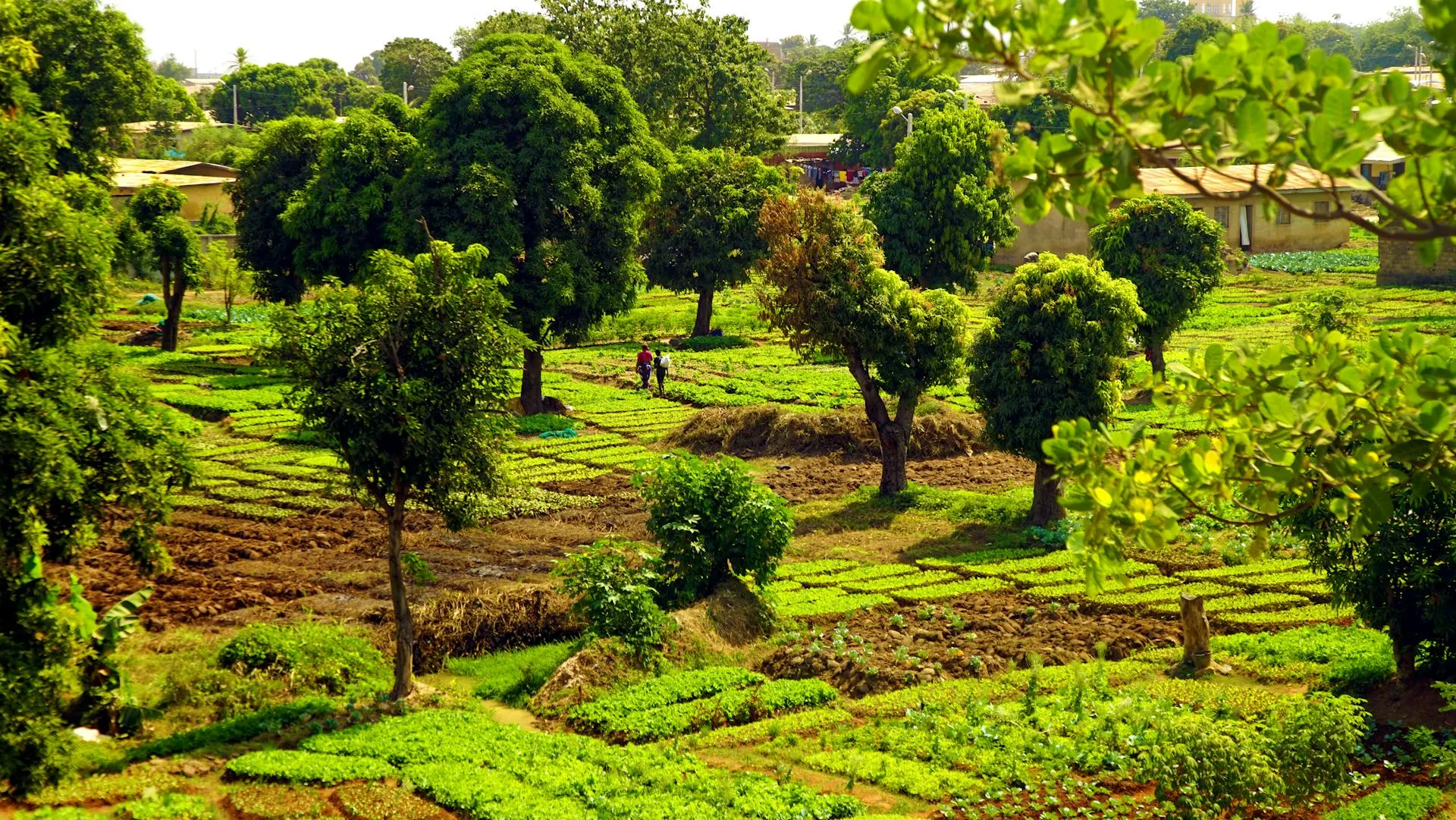
A humanitarian crisis
The West African country of Burkina Faso, with its population of 18,6 million, has been ravaged by violence and humanitarian atrocities since 2015, enacted by armed Islamist groups, state security forces in pushback efforts, and pro-government militias. This has left the country in abject poverty and food insecurity. According to UN refugee agency statistics, 1,447,026 people were displaced in September last year, with the World Food Programme (WFP) flagging Burkina Faso as one of the world’s fastest-growing displacement crises. Famine is looming and vulnerable families exceed two million. Malnutrition is rampant among children under five, as well as among pregnant or breastfeeding women
Impact of climate change
Climate change events have only added to Burkina Faso’s woes. Its geographical position means it has a dry tropical climate, with weather patterns alternating between a short rainy season and a long dry season. The country generally experiences low rainfall (in the north for only two months a year) and water retention of the soil is low.
Climate change has been manifesting with high temperatures and a greater prevalence of drought. Drought conditions, which persisted from May to December last year, affected crops and cereal harvesting in December.
Mitigating the impact
Burkina Faso signed up for a parametric climate-change insurance contract in 2019 through an ARC Ltd. Replica policy. This partnership with the WFP ensures a proactive approach to disaster risk management. Covering weather related perils, it helps Burkina Faso determine its immediate requirements and coverage amount.
Together with the government, we developed a contingency plan guiding how the payouts would be used. In the event of a natural disaster, the government is asked for a final implementation plan to ensure funds are received by the intended beneficiaries. This step also expedites disbursement.
In collaboration with the WFP, Burkina Faso has benefited from other initiatives tackling hunger and malnutrition, and which are strategically aligned with similar government policies and rolled out in a coordinated way. They include resilience-building work with communities to futureproof them, as well as help them cope with current challenges; agricultural activities to help farmers protect their livelihoods and production; the development of community assets; improved market access; support for children’s schooling; and nutritional and school-feeding programmes to prevent malnutrition.
ARC Ltd. payout
The May 2021 to December 2021 drought triggered a payout of close to USD 1.2 million to the WFP, to combat hunger and malnutrition in Burkina Faso.